New from Altus: our January 2026 release wrap up
As organisations head into a new year, the pressure to plan realistically and deliver with confidence only increases. Teams need to understand capacity, respond to change without losing momentum, and give leaders a clear view of how work is tracking.
The January 2026 Altus release focuses on exactly that. These updates are designed to help you plan work your teams can actually deliver, adapt when things change, and stay in control of effort, resources, and outcomes.
Plan strategy with a clear view of capacity
Strong strategy depends on more than choosing the right initiatives. It also depends on knowing whether your teams can deliver them.
With new resource workload insights, Altus now makes it easier to understand how different initiatives affect capacity across teams. You can quickly see where workloads are becoming stretched and address issues early, before they turn into delivery risks.
This supports more realistic planning conversations, better use of available people, and portfolios that are achievable rather than aspirational.
Compare scenarios before you commit
When priorities shift, leaders need to understand the impact of different choices.
Scenario comparison allows you to assess multiple portfolio options side by side. You can see which scenarios fit within available capacity, how budgets are affected, and which options deliver the strongest outcomes based on your priorities.
This helps organisations move away from assumptions and make informed decisions with confidence.
Greater flexibility when projects change
Projects rarely stand still. People move roles, teams change, and delivery plans need to adapt.
Altus for Project now allows you to substitute resources even when time has already been recorded. This means you can reflect real-world changes in team structure without breaking the plan or losing historical information.
For customers, this provides flexibility during change while keeping delivery moving forward.
Protect historical data you rely on
Accurate data is critical for reporting and forecasting.
Altus now protects historical actuals when timesheets are imported. Past data remains exactly as it was, while new entries are updated going forward. This ensures data integrity and gives you confidence in the information you use for decision-making.
The result is cleaner data you can trust across reporting, forecasting, and portfolio discussions.
Clearer visibility of effort and progress
Understanding how effort is tracking against plans should be simple.
The refreshed timesheet experience makes it easier to see what was planned, what has been logged, and what effort remains. This creates a clearer picture of progress and helps teams identify issues early.
For customers, this leads to fewer surprises, better conversations, and stronger control over delivery.
See Your Active Work as Soon as You Log In
When you log in to Altus, you want to quickly understand what is active and in progress.
The updated starting view now shows all active projects, how they align, and how timelines stack up. This reduces time spent navigating and helps users orient themselves faster.
The outcome is better awareness across the portfolio and less effort spent searching for information.
A clear Portfolio and Program view for leaders
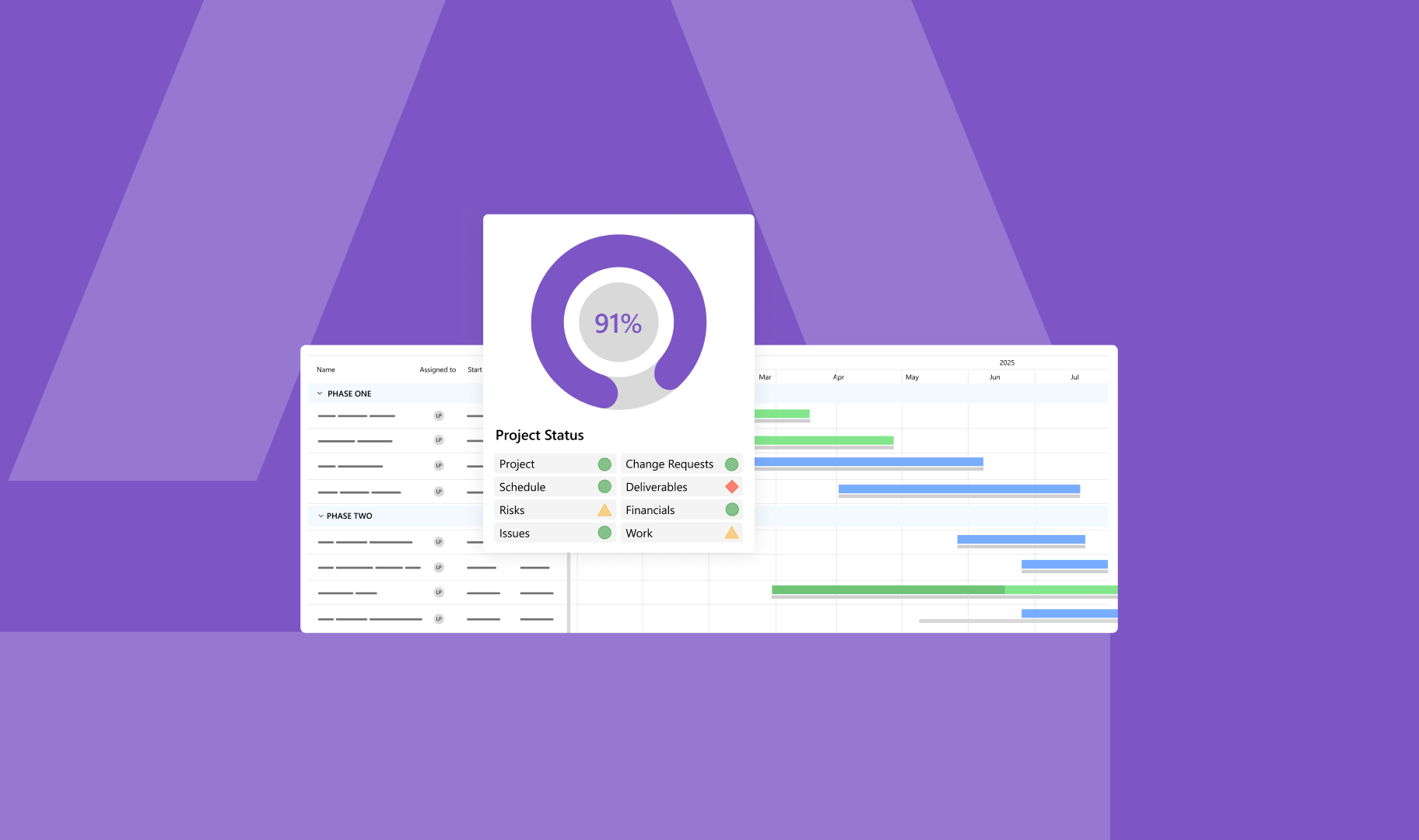
The new Portfolio and Program Dashboard brings key information together in one place.
It allows you to quickly see delivery status, understand risk and issue exposure, track benefits and milestones, and monitor financial health. You can also drill into dependencies to see progress where it matters most.
For executives and PMOs, this provides confidence and clarity. For delivery teams, it creates alignment and transparency.
Learning that matches your role
Not everyone uses Altus in the same way, and learning should reflect that.
Altus now surfaces guidance and learning content based on your role. Whether you are a project manager, portfolio manager, or part of a delivery team, you see content that supports the work you are responsible for, rather than generic training.
This helps teams onboard faster, build capability more effectively, and rely less on informal knowledge.
Moving forward
The January 2026 release is about giving teams better visibility, more flexibility, and stronger control over delivery. These improvements support realistic planning, cleaner data, and clearer conversations across portfolios and programmes.
As always, customer feedback continues to shape the direction of Altus. To learn more about these updates, speak with your Altus representative or certified Altus partner, or explore the roadmap on our website.
Ready to unlock project success?
Schedule a demo to find out more about how Altus can help your organisation unlock project management success and reach your strategic goals.